
Southern Europe · Spain
Exquisite Destination Weddings in Spain
From sherry bodegas on the Atlantic to Tramuntana mountain estates and Madrid's palace hotels, Spain offers a different wedding in every region, each with its own table and light.

Weddings in Spain
Unique Spanish Wedding Venues
Few countries pack so many wedding landscapes inside one border. Spain moves from Atlantic surf to Mediterranean coves, from snow-capped sierras to orange groves, and every region keeps its own language of food, music and celebration. Dinner starts late, the party runs later still, and guests who arrive as strangers tend to leave as friends after a long night under warm skies.
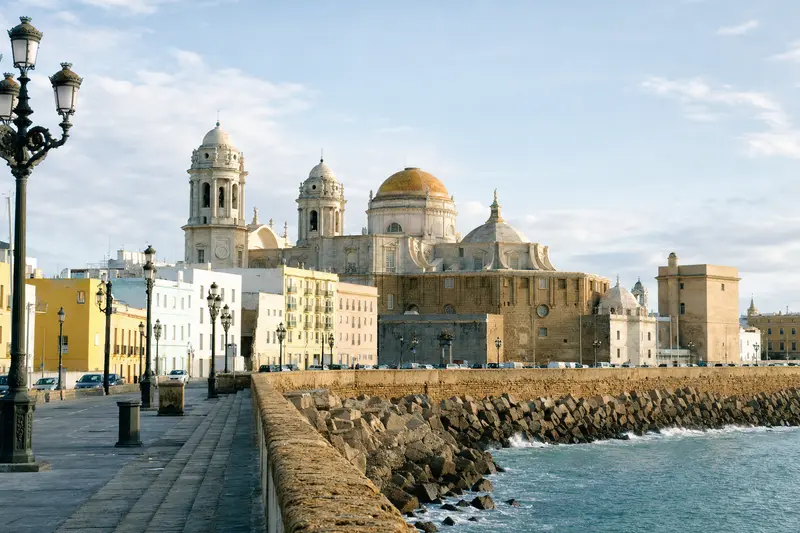
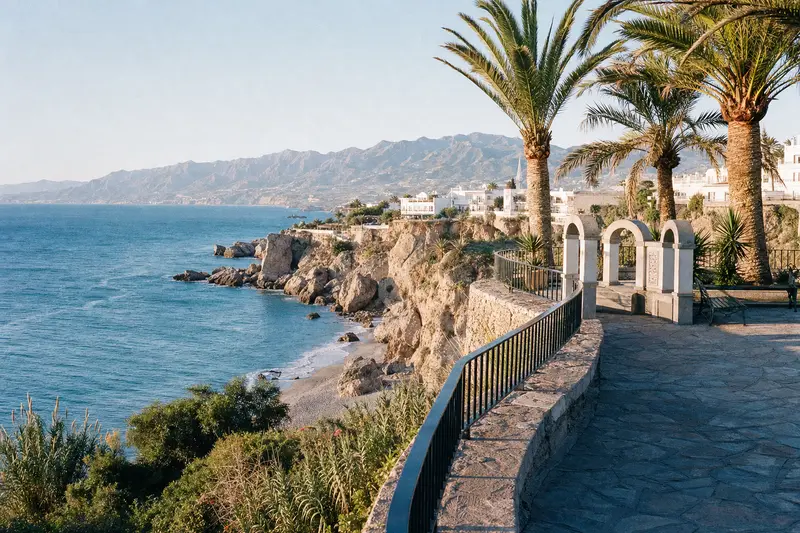
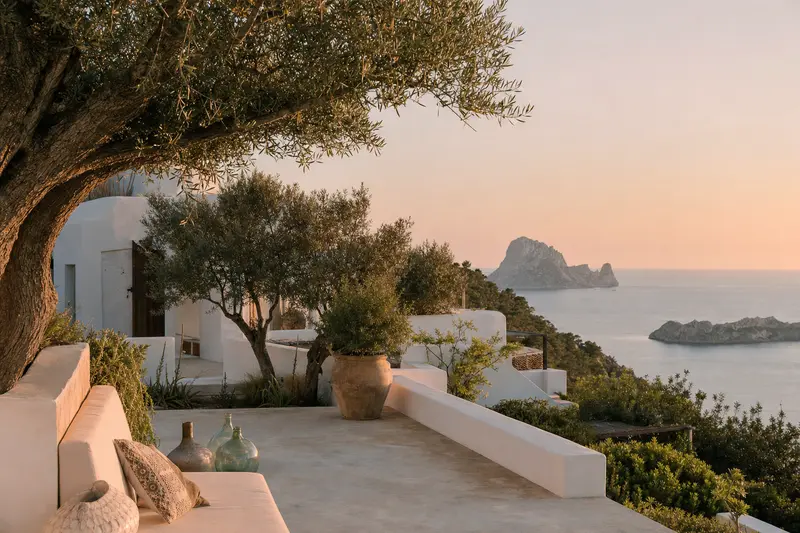
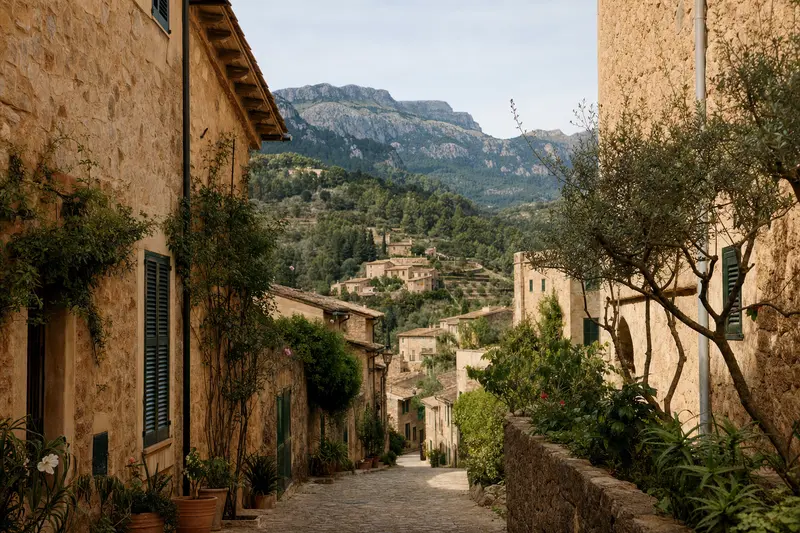
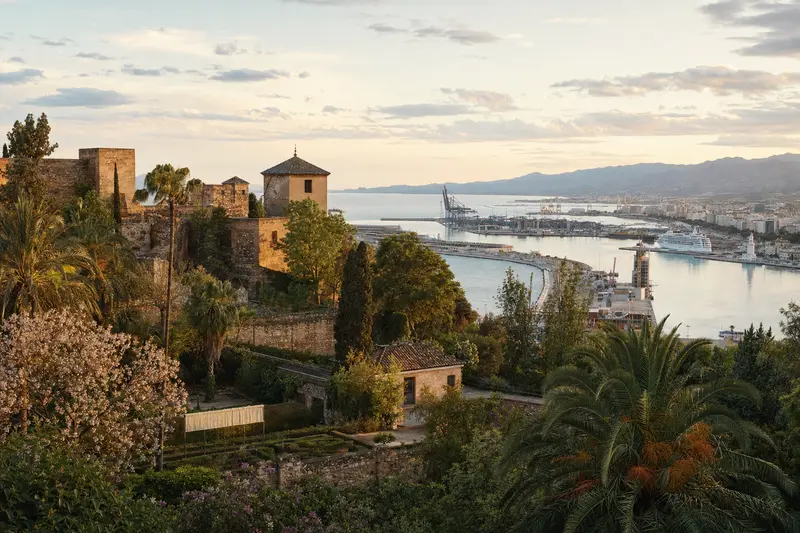
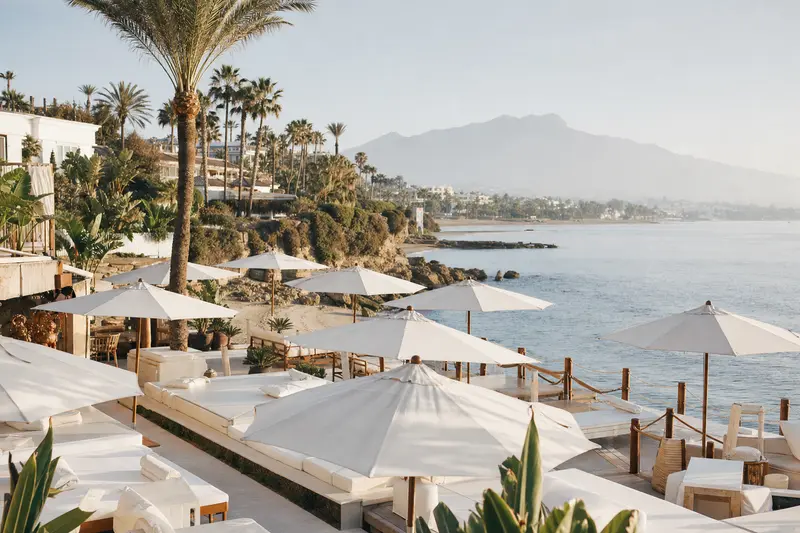
Each of our Spanish destinations answers a different wish. Cádiz suits couples who love wine, with sherry bodegas in Jerez and wild Costa de la Luz beaches. Nerja is made for small gatherings on clifftop terraces above quiet coves, while Málaga gives you a lively cultural city with the airport fifteen minutes away. Marbella brings polish: beach clubs, Andalusian villas and an old town of orange-tree squares, and it is where our Spain team is based. On the islands, Ibiza's north has whitewashed churches and agroturismo estates far from the club scene, and Mallorca offers mountain fincas, castle hotels and Palma's Gothic cathedral.
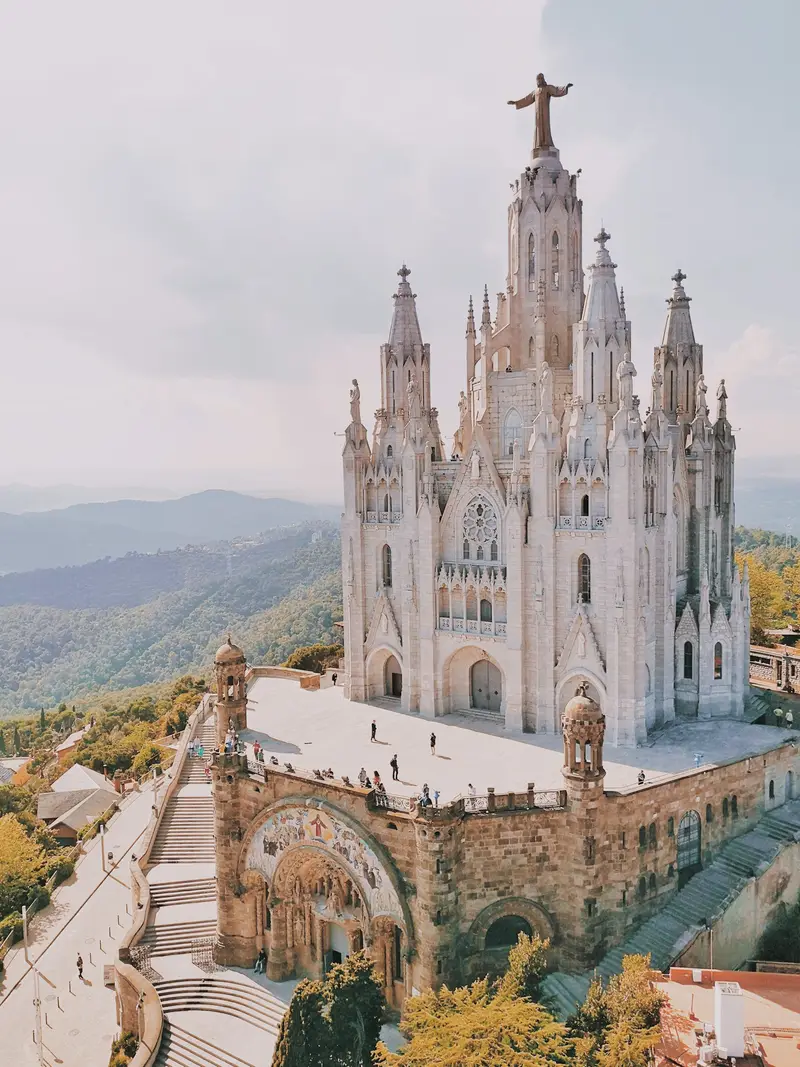
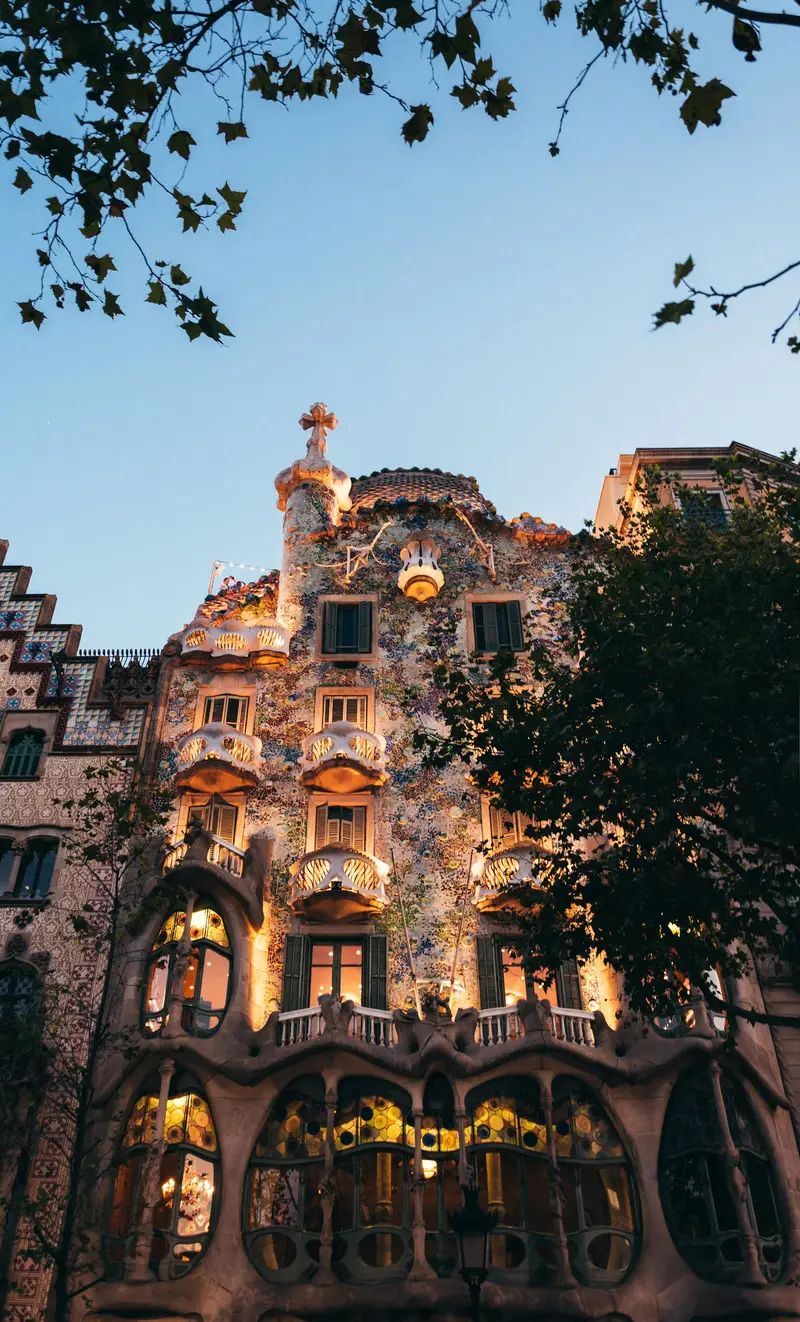
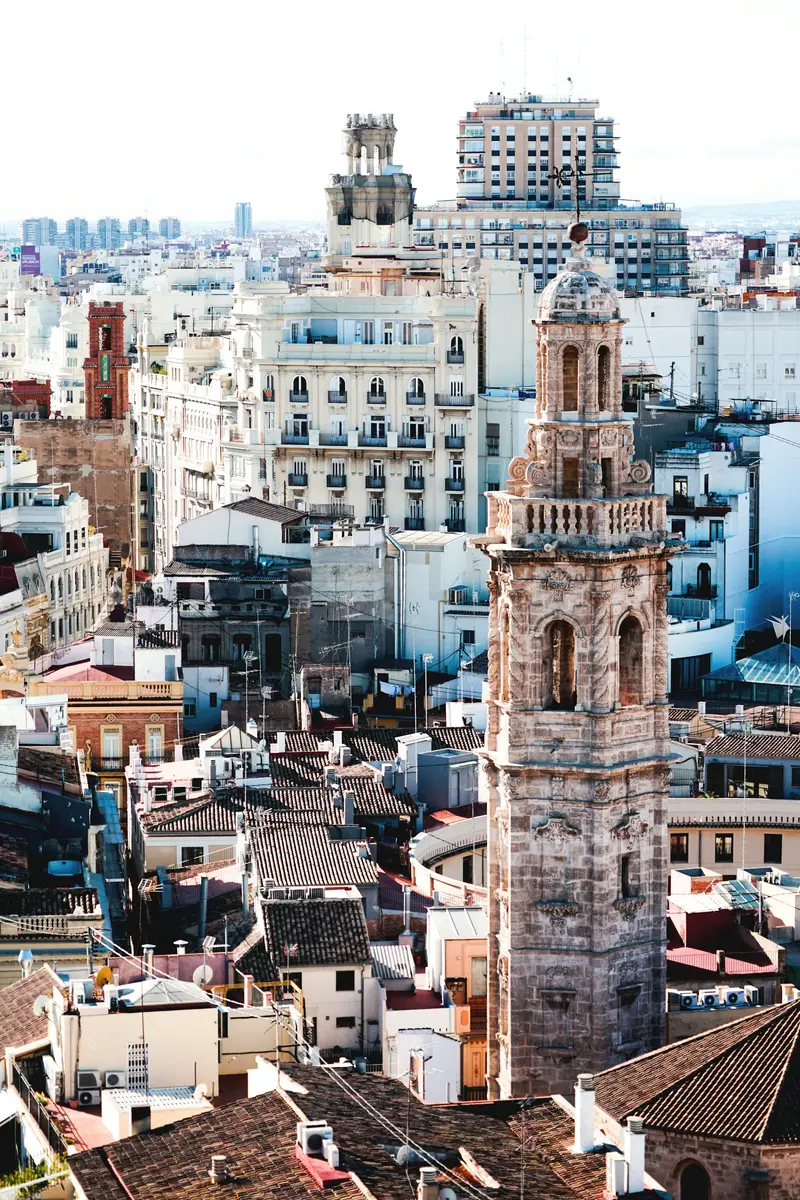
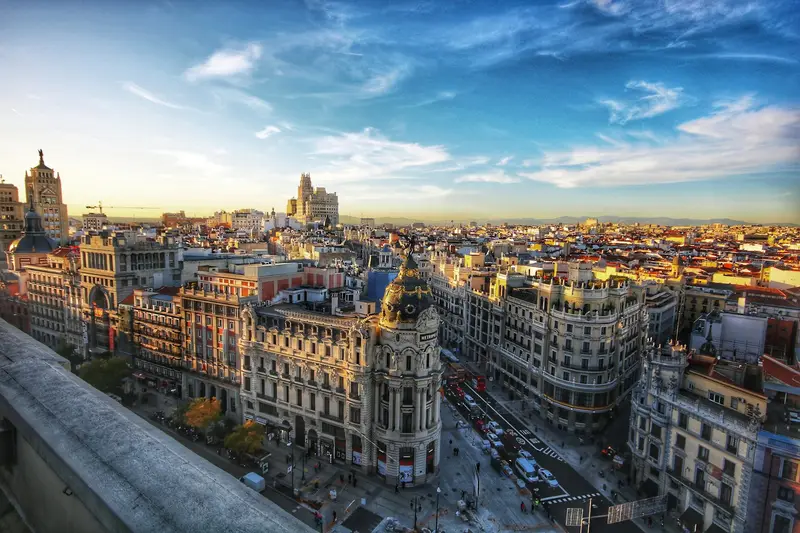
The mainland cities have their own pull. Barcelona is the choice for architecture lovers, with Modernista halls, Gothic courtyards and rooftops over the sea. Valencia rewards food-led couples with paella cooked where it was invented and farmhouse venues among the citrus. Madrid delivers grand-hotel elegance, tapas crawls for welcome night and a city that genuinely never seems to go to bed. Wherever you settle, we shape the weekend around the local rhythm rather than importing a formula, so your guests taste, hear and see the place you chose.
9 destinations · Cádiz · Nerja · Ibiza · Mallorca · Barcelona · Málaga · Valencia · Madrid · Marbella
Where to marry in Spain
Services in Spain
How we can help
- 01Full Wedding PlanningBespoke wedding planning from start to finish.
- 02Partial Wedding PlanningExpert help exactly where you need it.
- 03Wedding Day CoordinationCalm, precise coordination on the day.
- 04Civil Wedding CeremonyCivil weddings, unions, vow renewals & elopements.
- 05Venue & Supplier RecommendationsOur preferred venues and vendors.
- 06Luxury Wedding WorkshopsProfessional insights, top tips & creative advice.

Begin · Carte postale
Plan your wedding in Spain
Whether Spain is a firm plan or a hunch, a few lines about your date and guests is all we need to start.
From the album
Moments from our weddings
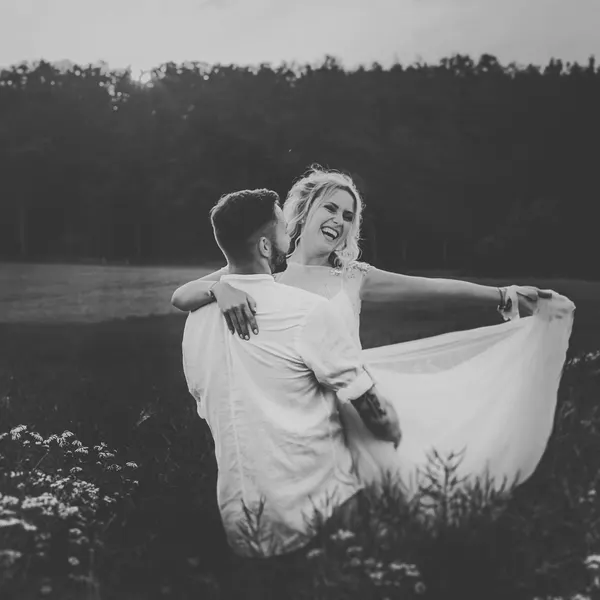
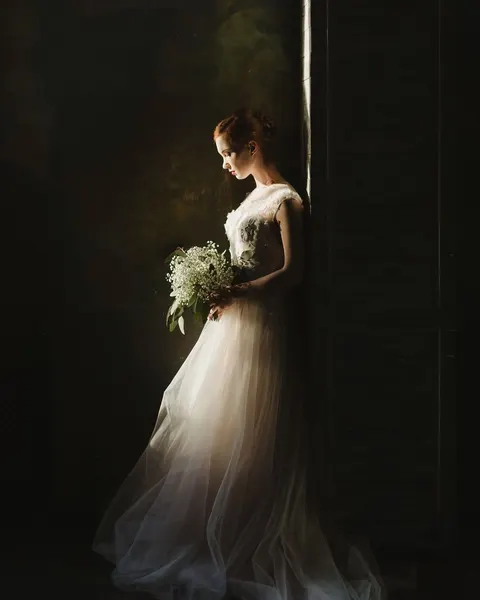
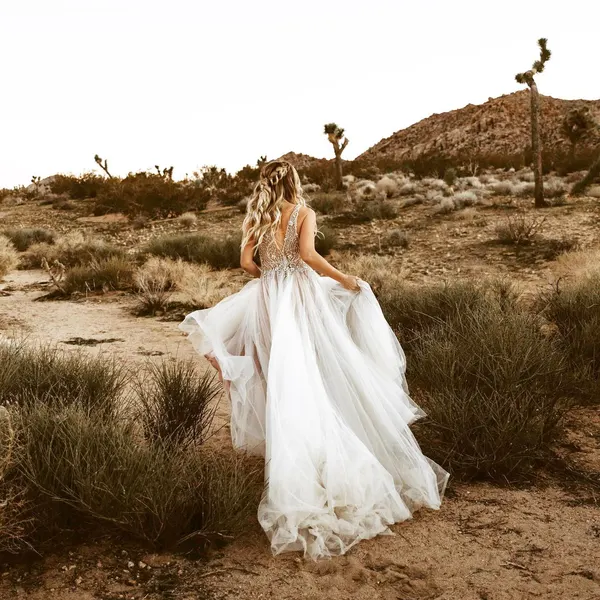
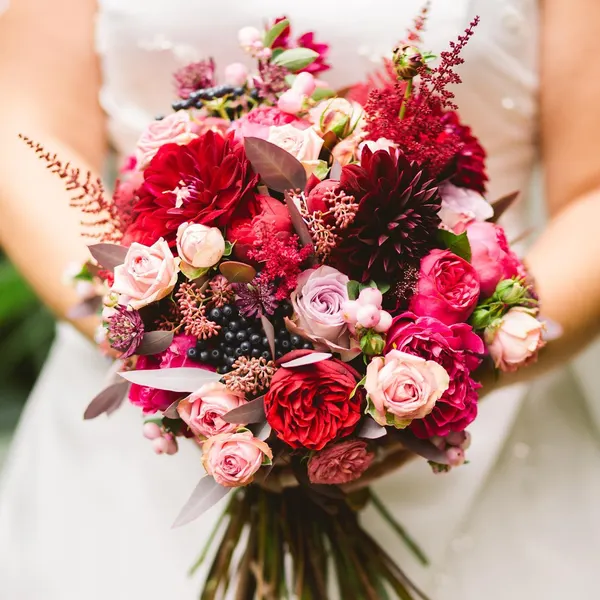
Snapshots from weddings we have planned, to keep you company while you picture Spain.
See the gallery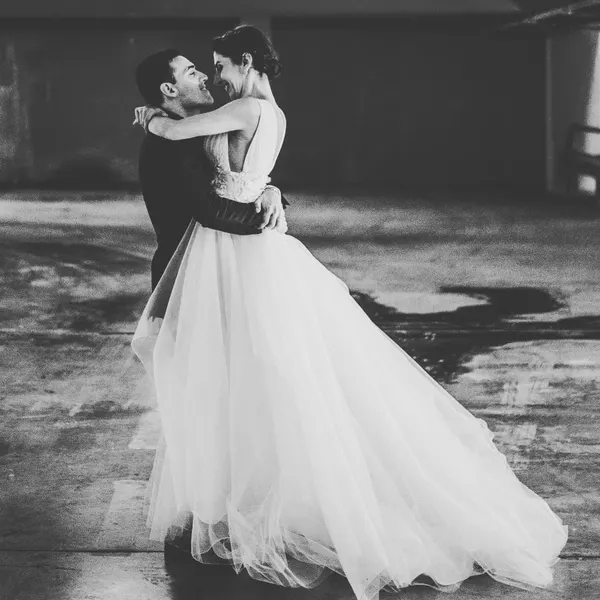

Good to know · Q&A
Weddings in Spain: FAQ
01 /Can foreigners legally marry in Spain?
A Spanish civil marriage generally requires at least one partner to be a Spanish national or legally resident in Spain, so it is rarely practical for visiting couples. Most international couples complete the legal formalities at home, at their registry office or consulate, and then celebrate with a symbolic ceremony in Spain. That ceremony carries no legal paperwork, which means it can take place on a beach, in a vineyard or in a palace courtyard, in any language you like.
02 /Is a Catholic church wedding possible in Spain?
Yes, provided you prepare the religious file through your home parish, which then forwards it to the diocese where you plan to marry. The local parish priest must agree to the date, and some historic churches book up a year or more ahead. Allow at least six to nine months for the paperwork to travel between dioceses, and check with your own country how a church marriage abroad is registered at home.
03 /When is the best time of year to marry in Spain?
May, June, September and early October suit most of the country, with warm days, long light and fewer crowds than high summer. July and August are reliable for the islands and the coast but can be uncomfortably hot inland, especially in Madrid and Andalusian countryside venues. The Costa del Sol stays mild enough for winter weddings, and Mallorca's almond blossom makes February surprisingly pretty for a small gathering.
04 /Which Spanish region should we choose?
Start with the feeling you want. Coastal Andalusia, from Cádiz to Marbella, gives you sunshine, beach venues and flamenco-tinged evenings. The Balearic islands of Ibiza and Mallorca offer fincas, sea views and an unhurried island pace. Barcelona, Madrid and Valencia suit couples who love architecture, food and a city full of things for guests to do. We are happy to compare two or three places side by side once we know your guest list and budget.
05 /How easy is it for guests to travel to Spain?
Very easy compared with most destinations. Madrid, Barcelona, Málaga, Palma and Valencia all have busy international airports with direct flights from across Europe, and Madrid and Barcelona connect well to North America. The high-speed AVE train links the big cities in a few hours, and ferries run between the mainland and the Balearics. For island or countryside venues we usually arrange coach transfers on the wedding day so nobody needs to drive.
06 /How much does a wedding in Spain cost?
Budgets vary widely by region and season. Ibiza and Marbella sit at the top of the market, with villa hire and catering priced accordingly, while Valencia, Cádiz and Nerja offer noticeably more for the same spend. The biggest drivers are guest numbers, venue exclusivity, the length of the celebration and whether you host welcome and farewell events. Our planning fee is quoted separately from the cost of the wedding itself.
07 /What is the typical timing of a Spanish wedding day?
Spaniards celebrate late. A summer ceremony often starts around 18:00 or 19:00 to avoid the heat, followed by a long cocktail hour with plenty of food, dinner after dark and dancing well past midnight. Many weddings finish with a recena, a late-night snack such as churros or mini bocadillos. We adjust the rhythm for international guests, but keeping some of that Spanish pace is part of the pleasure.
08 /Are there noise restrictions for outdoor parties?
Yes, and they differ by town and island. Ibiza and parts of Mallorca are strict about amplified music at private villas, and many city venues require music to move indoors or lower in volume after a set hour. Licensed venues usually have clear rules already in place. We check every venue's permits and curfews before you sign, so the party plan matches what is actually allowed.
09 /Which Spanish traditions can we include?
Couples often borrow the arras, thirteen coins blessed and passed between partners as a promise of shared prosperity. Others hand out small gifts to guests, cut up the groom's tie and sell the pieces towards the honeymoon, or bring in a flamenco guitarist, a Catalan rumba band or a cortador to carve jamón ibérico in front of guests. Regional touches, from Valencian paella to Andalusian sherry, make the day feel rooted.
10 /How far ahead should we plan a wedding in Spain?
Twelve to eighteen months is comfortable for summer dates at popular venues, particularly in Ibiza, Mallorca and Marbella, where the best estates are reserved early. City weddings in Madrid or Valencia and small gatherings in Nerja can often come together in eight to ten months. If you want a church ceremony, start the religious paperwork as soon as the date is fixed.
