Where Your Guests Should Stay for a Málaga Wedding: A Neighbourhood by Neighbourhood Guide
From the Centro Histórico to La Malagueta, Soho, Pedregalejo and the Montes de Málaga, here is where wedding guests should stay in Málaga, and why.
Choosing a base for everyone
Where your guests sleep shapes their whole experience of a wedding weekend. In a resort town the answer is usually obvious, but Málaga is a proper city with distinct districts, each with its own character, prices and pace. Steering people towards the right one, ideally close to the main events, saves taxis, confusion and missed welcome drinks.
Start with the venue, then work outwards. A reception at a seafront hotel calls for a different base from a party in the hills, and older relatives will have different priorities from friends who want to explore the bars until three in the morning. Most weddings end up with guests spread across two or three areas, which is perfectly manageable with a little planning.
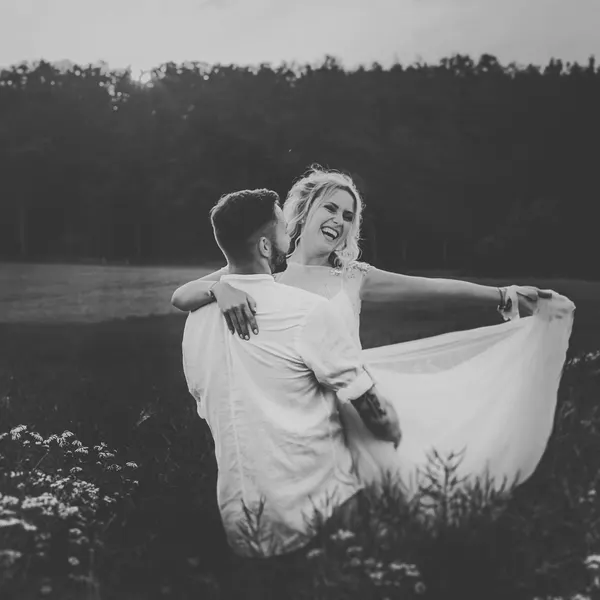
Spin me round
Centro Histórico: everything on foot
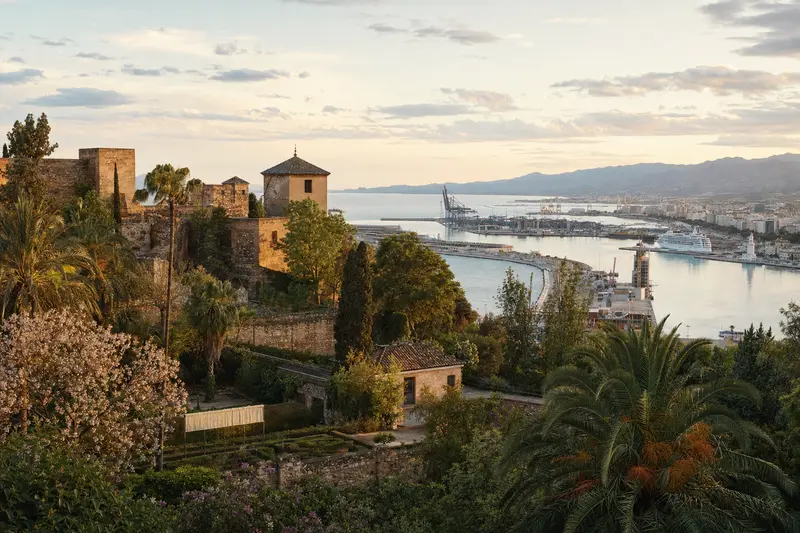
The historic centre is the obvious first choice for most visitors. Its pedestrian streets run from the Alameda to the foot of the Alcazaba, with polished Calle Larios at its heart. Within ten minutes' walk are the cathedral, the Picasso Museum, the Roman theatre, the Atarazanas market and dozens of tapas bars that stay busy well past midnight.
Accommodation ranges from boutique hotels in restored townhouses to larger properties with rooftop pools. The downside is noise: weekend nights can be lively, so light sleepers should ask for an interior room. Taxis cannot reach every lane, which is worth mentioning to anyone arriving with heavy luggage or a garment bag.
For wedding parties getting ready together, a group of apartments around Plaza de la Merced works nicely, with cafes downstairs for coffee and pastries while the hair and make-up team gets to work.
La Malagueta: beach and city in one
East of the port, La Malagueta pairs a city beach with an easy walk into the centre, which makes it ideal for families. The neighbourhood stretches between the bullring and the sea, with seafront hotels, apartments with balconies and chiringuitos serving fried fish right on the sand.
Guests staying here can swim in the morning, stroll along the Paseo del Parque into the old town for lunch and be back in time for a siesta. If the reception is at the Gran Hotel Miramar, this is by far the most convenient base, since the hotel sits on the edge of the district and nobody needs a car all weekend.
Prices here sit slightly above Soho but below the smartest addresses in the old town, and many apartments come with sea views and space for a whole family. Book early for summer, as this stretch is popular with Spanish holidaymakers as well as visitors from abroad.
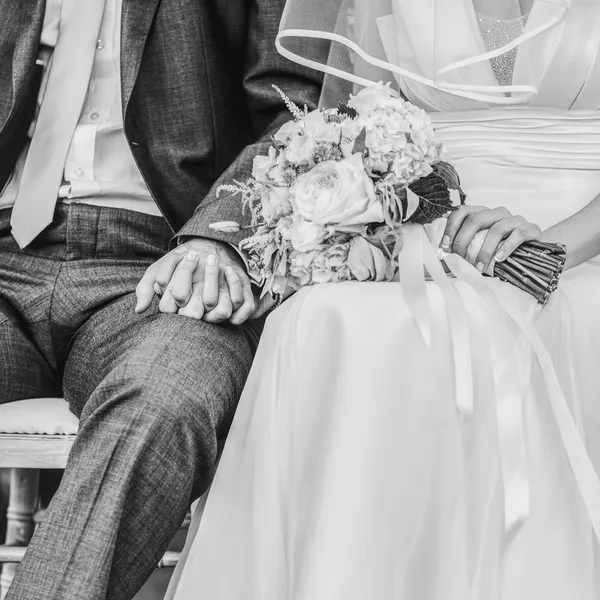
Hands together
Soho: creative, central and good value
Squeezed between the Guadalmedina riverbed and the port, Soho was a slightly forgotten corner until local artists and the city turned it into an open air gallery. Huge murals now cover whole facades, and the streets are full of independent cafes, vintage shops and small restaurants with menus far more adventurous than the tourist average.
It is a good choice for younger guests and anyone on a tighter budget, as hotels and apartments tend to cost a little less than in the historic core, yet everything remains walkable. The Contemporary Art Centre is on the doorstep, and Muelle Uno, the waterfront promenade with its shops and terraces, is only a few minutes away.
Soho also sits closest to the main bus and train stations, so guests arriving by rail from Madrid or Seville can be at their door within minutes, and the airport train stops nearby at the Alameda.
Pedregalejo and El Palo: the fishermen's quarter
A few kilometres east of the centre, the old fishing districts of Pedregalejo and El Palo have kept a village atmosphere. Low houses line the promenade, small breakwaters create sheltered coves, and every few metres a restaurant has a beached boat full of sand and embers where cooks tend rows of sardine skewers.
For guests who want a beach holiday wrapped around the wedding, this is the spot, particularly for a reception at El Balneario de los Baños del Carmen at the western end of Pedregalejo. Accommodation is mostly apartments and a handful of small hotels, so it suits independent travellers more than large groups. Buses and taxis reach the centre in around fifteen minutes.
Evenings here have a gentle, neighbourly rhythm. Families gather on the seafront after dark, children play football on the sand, and guests who wander out for a late drink will find small bars where the owner still pours the wine from a barrel behind the counter.
Out of town in the Montes de Málaga
If your celebration takes place in the hills, consider housing guests in the countryside too. The Montes de Málaga natural park rises just behind the city, with pine forest, old farmhouses and winding roads that reveal views across the whole bay. Rural hotels and restored cortijos here offer peace, pools and starry skies, with the city a short drive away.
For estates further east, such as those around Vélez-Málaga, villas in the Axarquía hills and the small towns of the region make more sense. The atmosphere is completely different from the city: mornings start with birdsong, lunches run long and the wine may come from vineyards visible from the terrace.
The one drawback is transport, as guests will rely on hire cars or organised coaches, so this needs careful thought.
Making it work on the day
Whatever mix of neighbourhoods your guests choose, shared transport on the wedding day is essential. Arrange coaches with clear pickup points, perhaps one on the Alameda and one by the bullring, and schedule return journeys at two or three different times so that early leavers and the last dancers are both looked after.
A simple map sent with the invitations, marking the venue, the welcome party and the recommended areas to stay, helps people book wisely. Because flights are so frequent and the airport is so close, some guests may arrive only the day before, so make sure every hotel suggestion is quick to reach from the terminal.
Finally, give guests one reliable contact for transport questions on the day itself, ideally someone who speaks both Spanish and English. A single phone number, printed on the back of the welcome card, solves a surprising number of small problems before they ever reach you.
Begin · Carte postale
Plan your wedding in Athens
wish you were here
Share a few photos you love and the size of your guest list, and we will come back with ideas and dates for Málaga.
To: Artisti WeddingsApplebys Plads 29, 3. tv1411 Copenhagen · Denmark
As featured in
We use cookies on our website to give you the most relevant experience by remembering your preferences and repeat visits. By clicking “Accept All”, you consent to the use of ALL the cookies. However, you may visit "Cookie Settings" to provide a controlled consent.
This website uses cookies to improve your experience while you navigate through the website. Out of these, the cookies that are categorized as necessary are stored on your browser as they are essential for the working of basic functionalities of the website. We also use third-party cookies that help us analyze and understand how you use this website. These cookies will be stored in your browser only with your consent. You also have the option to opt-out of these cookies. But opting out of some of these cookies may affect your browsing experience.
Necessary cookies are absolutely essential for the website to function properly. These cookies ensure basic functionalities and security features of the website, anonymously.
Cookie
Duration
Description
cookielawinfo-checkbox-analytics
11 months
This cookie is set by GDPR Cookie Consent plugin. The cookie is used to store the user consent for the cookies in the category "Analytics".
cookielawinfo-checkbox-functional
11 months
The cookie is set by GDPR cookie consent to record the user consent for the cookies in the category "Functional".
cookielawinfo-checkbox-necessary
11 months
This cookie is set by GDPR Cookie Consent plugin. The cookies is used to store the user consent for the cookies in the category "Necessary".
cookielawinfo-checkbox-others
11 months
This cookie is set by GDPR Cookie Consent plugin. The cookie is used to store the user consent for the cookies in the category "Other.
cookielawinfo-checkbox-performance
11 months
This cookie is set by GDPR Cookie Consent plugin. The cookie is used to store the user consent for the cookies in the category "Performance".
viewed_cookie_policy
11 months
The cookie is set by the GDPR Cookie Consent plugin and is used to store whether or not user has consented to the use of cookies. It does not store any personal data.
Functional cookies help to perform certain functionalities like sharing the content of the website on social media platforms, collect feedbacks, and other third-party features.
Performance cookies are used to understand and analyze the key performance indexes of the website which helps in delivering a better user experience for the visitors.
Analytical cookies are used to understand how visitors interact with the website. These cookies help provide information on metrics the number of visitors, bounce rate, traffic source, etc.
Advertisement cookies are used to provide visitors with relevant ads and marketing campaigns. These cookies track visitors across websites and collect information to provide customized ads.