Mojigangas, Mariachi and Mezcal: San Miguel Wedding Traditions to Borrow
The Mexican wedding traditions that make San Miguel de Allende special, from callejoneadas and giant puppets to the lazo, arras and padrinos, explained.
A town that knows how to celebrate
San Miguel de Allende is a place of festivals. Hardly a week goes by without a procession, a fiesta or fireworks over the Parroquia, and the town's love of celebration makes it a natural setting for a wedding. Many couples, even those with no Mexican heritage, choose to borrow local traditions to give their day a strong sense of place.
Here are the customs we see most often, with a little background and some practical advice on how to include them. None of them is compulsory, and all can be adapted to a symbolic or civil ceremony.
The aim is to honour the culture rather than turn it into a costume, so we always work with local musicians and artisans who keep these traditions alive.
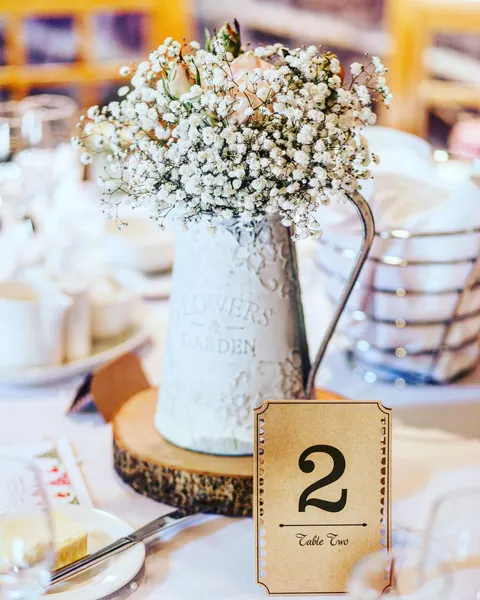
Table number two
The callejoneada
The most famous San Miguel tradition is the callejoneada, a festive procession through the cobbled streets. After the ceremony, guests follow a band of musicians, often an estudiantina in old-fashioned dress or a mariachi, through the lanes towards the reception. Townspeople and visitors stop to cheer, and sometimes join in.
Small clay jarritos of mezcal or tequila are handed out, and a decorated donkey carrying drinks sometimes leads the way, though many couples now prefer a cart or a waiter. A callejoneada needs a municipal permit and a planned route, which we arrange, and comfortable shoes for the cobbles are essential.
Route planning matters more than couples expect. The streets are steep in places, so we choose a path that runs mostly downhill or level, keep it to around twenty minutes and make sure a car follows for anyone who would rather ride. Timing it for dusk means the procession ends just as the lanterns come on.
Mojigangas
Mojigangas are giant papier-mâché puppets, worn by dancers who lift them high above the crowd. Their origins lie in festive traditions brought from Spain, and in San Miguel they appear at weddings, festivals and parades. Many couples commission mojigangas made in their own likeness, which become a joyful, slightly surreal highlight of the day.
Local artisans build them by hand, so commission them at least two months ahead and share good photographs. The puppets usually lead the callejoneada and dance at the reception. Afterwards, some couples keep the heads as a souvenir, though shipping them home is another adventure.
Smaller mojigangas, or a pair representing grandparents or a beloved pet, are a playful variation. Children adore them, and the puppeteers are skilled at drawing shy guests into the dancing.
Holding on
Mariachi and music
Mariachi music, with its trumpets, violins and guitars, is a symbol of Mexican celebration. A mariachi band might play at the cocktail hour, lead the callejoneada or burst into the reception as a surprise. Songs such as Cielito Lindo and Volver, Volver bring guests of every nationality to their feet.
Other musical options include a trio playing romantic boleros during dinner, or a son jarocho band from Veracruz with its lively harp and jarana guitars. For dancing, a band playing cumbia and salsa alongside international hits keeps everyone happy.
Ask for a short list of requested songs early, and include one or two from home. Good mariachis can learn a favourite tune given a few weeks' notice, and hearing a family song played on trumpets in a candlelit courtyard is the kind of surprise that brings even reserved fathers to tears.
The lazo, the arras and the padrinos
Traditional Mexican weddings include symbolic rituals that work beautifully in any ceremony. The lazo is a ribbon, rope or rosary placed around the shoulders of the couple in a figure of eight, symbolising unity. The arras are thirteen gold coins, given by one partner to the other as a promise of shared prosperity.
Both are presented by padrinos, godparents or honoured friends who sponsor different parts of the wedding, from the rings to the cake. Including padrinos is a lovely way to recognise important people in your lives, and each can say a few words as they present their gift.
Other gentle rituals can sit alongside them. Some couples include a Bible or a book of significance presented by padrinos, or a blessing from both mothers before the vows. In a civil or symbolic ceremony, a celebrant can explain each moment briefly in English and Spanish, so international guests feel part of it.
Food and drink traditions
Mexican weddings are generous with food. Mole, a complex sauce of chillies, spices and chocolate, is a celebratory classic, often served with turkey or chicken. In central Mexico, the tornaboda, a late-night or next-day gathering with comforting dishes such as pozole or chilaquiles, keeps the party going.
A tequila or mezcal toast is customary, and Guanajuato's growing wine scene offers excellent local bottles. For dessert, try traditional sweets like cajeta, a goat's milk caramel, alongside the wedding cake.
Fireworks are another local habit worth knowing about. San Miguel has a deep tradition of pyrotechnics, including castillos, tall bamboo towers that spin and explode in sequence. They need permits and careful siting, but a small display at the end of the night is a thrilling, very Mexican finale.
Bringing traditions together
You do not need to include everything. Choose the traditions that feel meaningful and fun, and explain them to guests in your ceremony booklet or welcome notes, so everyone can understand and join in. A single well-chosen ritual, done with care, often means more than a crowded programme.
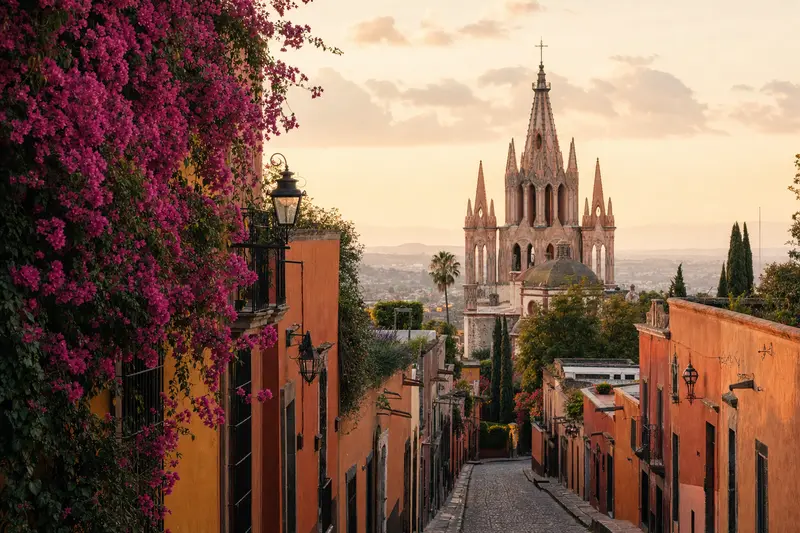
Above all, let the town play its part. Church bells, fireworks in the distance, children dancing behind the mojigangas and the light on the pink stone of the Parroquia will all make your wedding feel uniquely San Miguel.
It also helps to brief guests on etiquette. A callejoneada passes homes and churches, so a little restraint near doorways and at mass times goes a long way. Tipping musicians and puppeteers generously is expected, and locals warmly appreciate guests who greet them with a buenas noches as the procession passes.
Begin · Carte postale
Plan your wedding in Athens
wish you were here
Tell us where in San Miguel de Allende your imagination has already wandered and we will set up a relaxed first call.
To: Artisti WeddingsApplebys Plads 29, 3. tv1411 Copenhagen · Denmark
As featured in
We use cookies on our website to give you the most relevant experience by remembering your preferences and repeat visits. By clicking “Accept All”, you consent to the use of ALL the cookies. However, you may visit "Cookie Settings" to provide a controlled consent.
This website uses cookies to improve your experience while you navigate through the website. Out of these, the cookies that are categorized as necessary are stored on your browser as they are essential for the working of basic functionalities of the website. We also use third-party cookies that help us analyze and understand how you use this website. These cookies will be stored in your browser only with your consent. You also have the option to opt-out of these cookies. But opting out of some of these cookies may affect your browsing experience.
Necessary cookies are absolutely essential for the website to function properly. These cookies ensure basic functionalities and security features of the website, anonymously.
Cookie
Duration
Description
cookielawinfo-checkbox-analytics
11 months
This cookie is set by GDPR Cookie Consent plugin. The cookie is used to store the user consent for the cookies in the category "Analytics".
cookielawinfo-checkbox-functional
11 months
The cookie is set by GDPR cookie consent to record the user consent for the cookies in the category "Functional".
cookielawinfo-checkbox-necessary
11 months
This cookie is set by GDPR Cookie Consent plugin. The cookies is used to store the user consent for the cookies in the category "Necessary".
cookielawinfo-checkbox-others
11 months
This cookie is set by GDPR Cookie Consent plugin. The cookie is used to store the user consent for the cookies in the category "Other.
cookielawinfo-checkbox-performance
11 months
This cookie is set by GDPR Cookie Consent plugin. The cookie is used to store the user consent for the cookies in the category "Performance".
viewed_cookie_policy
11 months
The cookie is set by the GDPR Cookie Consent plugin and is used to store whether or not user has consented to the use of cookies. It does not store any personal data.
Functional cookies help to perform certain functionalities like sharing the content of the website on social media platforms, collect feedbacks, and other third-party features.
Performance cookies are used to understand and analyze the key performance indexes of the website which helps in delivering a better user experience for the visitors.
Analytical cookies are used to understand how visitors interact with the website. These cookies help provide information on metrics the number of visitors, bounce rate, traffic source, etc.
Advertisement cookies are used to provide visitors with relevant ads and marketing campaigns. These cookies track visitors across websites and collect information to provide customized ads.